

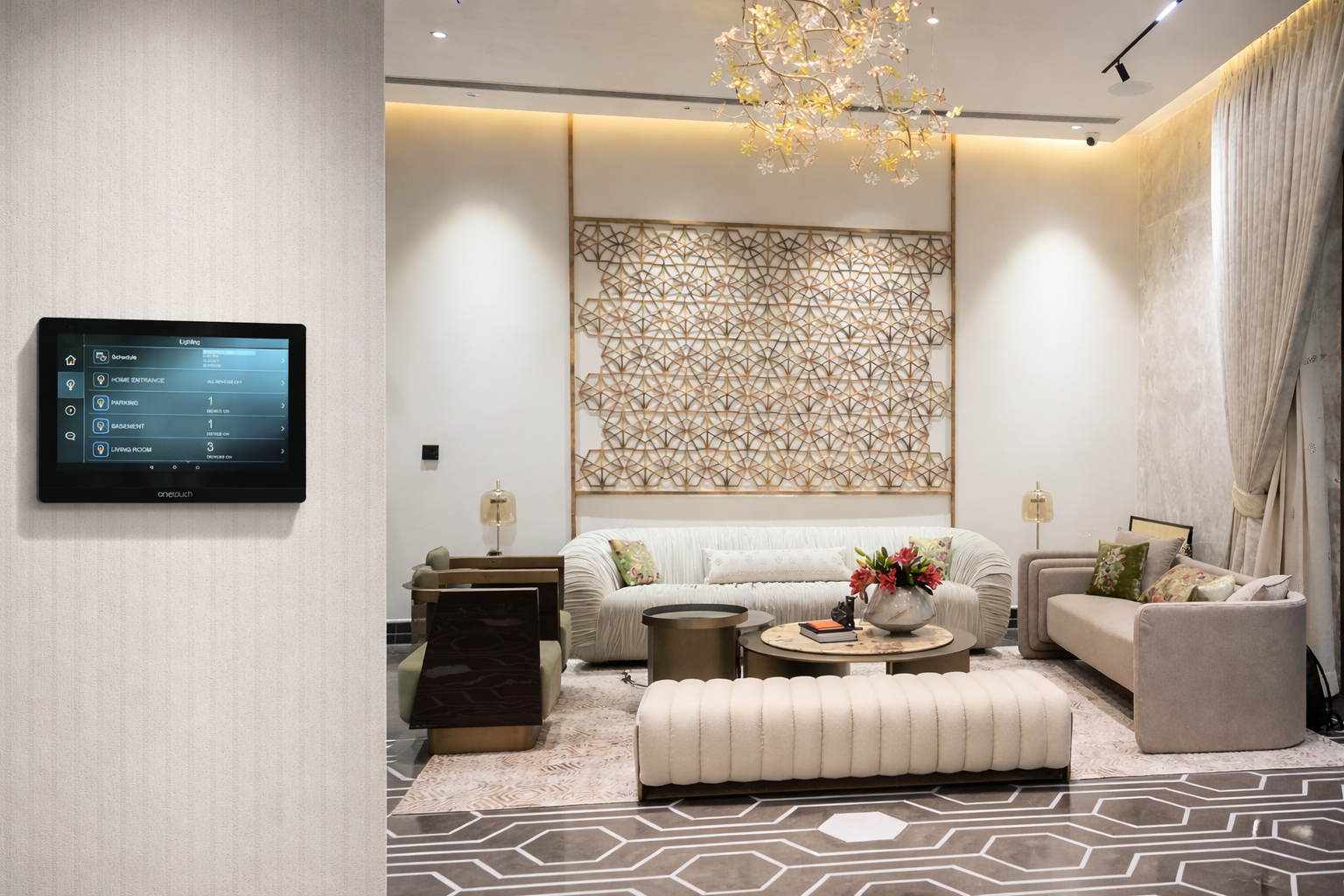
In 2026, smart homes will become a standard for modern living. Designed for comfort, energy efficiency, and long-term reliability, today’s smart homes go beyond automation to deliver a more sustainable and seamless lifestyle. What was once considered a luxury is now an essential feature of thoughtfully designed homes.
Whether you're building a new home, renovating an existing
one, or simply planning, understanding smart home trends in 2026 helps
you make decisions that feel both advanced and reassuringly future-proof.
A smart home in 2026 is a connected living environment where automation, artificial intelligence, and energy-efficient systems work together to improve comfort, security, and sustainability, with minimal effort from the homeowner.
1. Sustainable Living Becomes the Foundation of Smart Homes
One of the most important smart home trends in 2026
is the apparent shift toward energy-first design.
As electricity costs rise and environmental responsibility
becomes a shared priority, smart homes are now designed to reduce waste without
compromising comfort. Intelligent systems optimize heating, cooling, and
lighting based on real usage patterns, how you actually live, not fixed
schedules.
What this means for homeowners:
- Energy
savings of up to 30% in many modern smart homes through intelligent
optimisation
- Seamless
integration with solar panels and battery storage
- Greater
control over when and how self-generated energy is used
With AI-driven energy management, homes continuously learn
and adapt. Over time, machine learning refines these decisions further, making
homes more efficient without daily input or constant adjustments.
The result is a home that feels responsible, economical,
and effortlessly sustainable.
2. AI That Works Quietly in the Background
In 2026, artificial intelligence finally feels human.
Instead of complex setups and endless tweaking, AI-powered
smart homes focus on predictive comfort. Systems learn daily routines,
seasonal preferences, and lifestyle changes, and adjust automatically.
AI helps modern smart homes by:
- Anticipating
energy and comfort needs
- Adjusting
lighting and climate without manual commands
- Improving
efficiency while staying unobtrusive
For example, a smart home may automatically lower blinds
during peak heat hours or fine-tune room temperatures before occupants return
home, without a single command.
Your home works for you, even when you're not thinking
about it.
3. Smarter, More Reassuring Home Security
Security is no longer a separate layer; it's a natural part
of the smart home ecosystem.
In 2026, home security will be fully integrated and
proactive. Security cameras, motion sensors, smoke detectors, and smart digital lockscommunicate with each other, creating a complete and intelligent view of what's
happening in and around the home.
From a single interface, homeowners can:
- Monitor
their home in real time
- Control
access remotely
- Receive
intelligent alerts instead of constant notifications
AI takes this a step further by monitoring the system's
health. If a sensor, camera, or circuit begins to underperform, the system can
alert homeowners before a failure occurs.
It's about assurance and peace of mind.
4. Future-Proof Systems Become Non-Negotiable
Perhaps the most defining smart home trend of 2026 is longevity.
Homeowners are no longer asking, "Is this
smart?"
They're asking, "Will this still work in 10 or 20
years?"
That's why open, certified systems, where devices
from different manufacturers work seamlessly together, are now the preferred
choice.
These systems allow homeowners to:
- Add
new features over time
- Upgrade
technology without replacing infrastructure
- Avoid
brand lock-in
Standards like KNX, an internationally recognised
smart home protocol, exemplify this philosophy. KNX-based homes built decades
ago are still fully operational today, proving that actual smart homes are
built on stable foundations, not short-term trends.
5. Design-Led Smart Devices That Belong in Beautiful Homes
Smart homes in 2026 are just as much about aesthetics
as they are about performance.
Bulky control panels and intrusive devices are being
replaced by:
- Minimalist
switches
- Elegant
thermostats
- Discreet
sensors and refined interfaces
Technology now blends seamlessly into architecture instead
of standing out. Smart devices complement interior design, allowing homeowners
to enjoy advanced functionality without sacrificing visual harmony.
The result is a smart home that feels refined, timeless,
and intentional.
What These Smart Home Trends Mean for Homeowners in 2026
For homeowners, the message is reassuring:
- Smart
homes are simpler, not more complicated
- Energy
efficiency is built-in, not optional
- Security
is proactive and reliable
- Systems
are designed to last decades, not years
Unlike earlier smart homes that relied heavily on apps and
manual commands, the smartest homes of 2026 operate quietly in the background.
They don't demand attention.
They simply support better living, day after day.
Conclusion
The smart home trends of 2026 signal a clear evolution:
- From
luxury to everyday lifestyle
- From
manual control to intelligent automation
- From
short-term technology to long-term infrastructure
At Techvault, this is what smart living has always
meant, homes that feel calm, efficient, secure, and future-ready.
A smart home isn't about showing technology.
It's about feeling confident that your home is ready for
what comes next.