

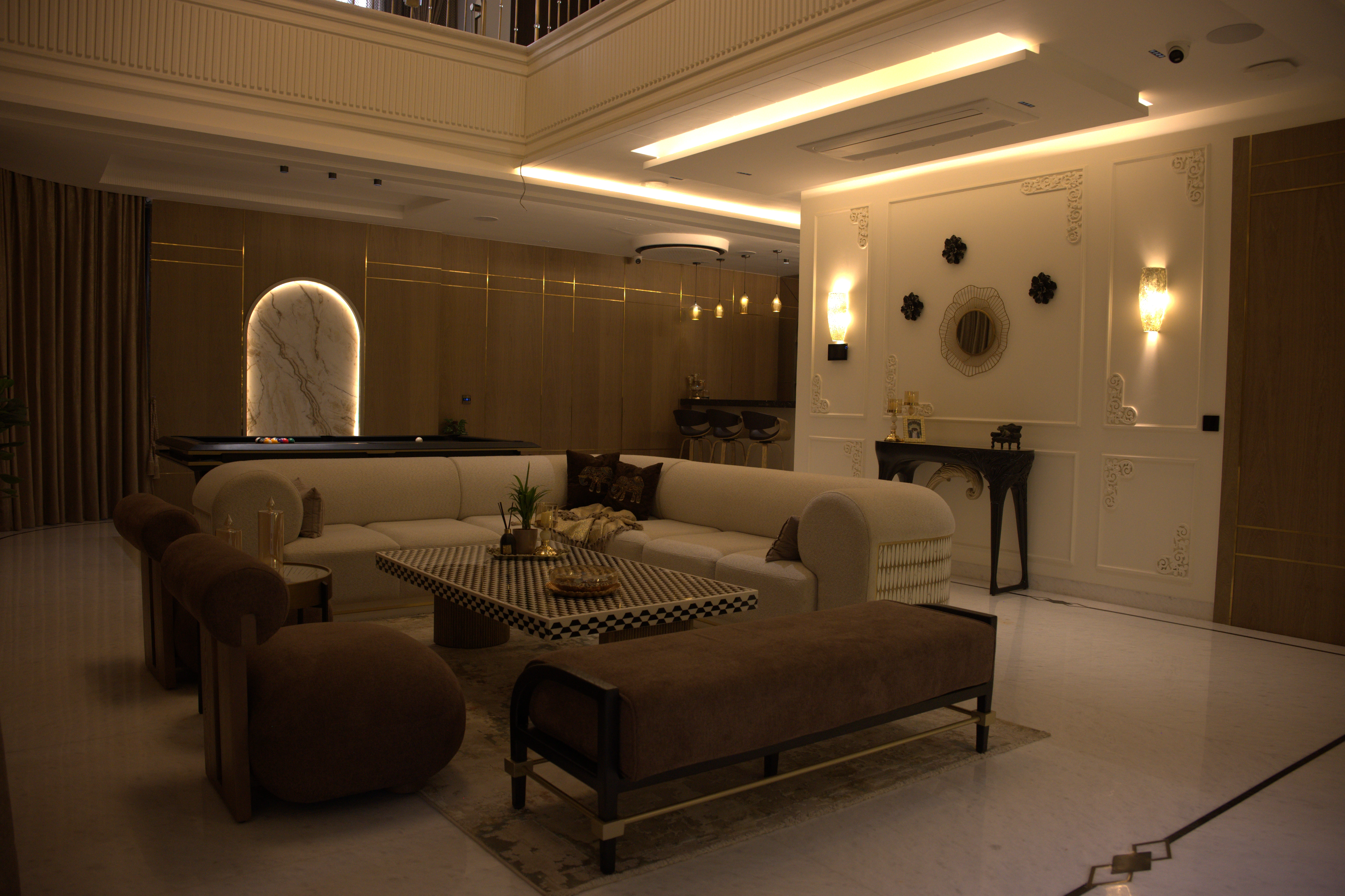
You don't need a villa to have a smart home. An apartment or flat can be automated - often without breaking walls - using smart switches that fit existing boxes, smart lighting, climate control for your AC, motorised curtains, smart locks, cameras, and one-app control. You can start with a single room and expand, which keeps the cost low, or do the whole flat at once. For a rented home, wireless devices install without damage and move with you; for a flat you own, you can wire more during a fit-out. The key is to build on a system that can grow.
Smart home automation is often pictured in a large villa - but in India, a huge share of homes are apartments and flats, and they're just as automatable. This guide covers what you can automate in a flat, what it costs, how renting vs owning changes things, and how to start smart without over-spending.
Can You Automate an Apartment or Flat?
Yes, and more easily than most people assume. A decade ago, automation meant wiring decisions made during construction. Today, because so many devices are wireless or retrofit-friendly, a finished flat can gain smart lighting, climate control, security, and more without a renovation. Whether it's a compact 1BHK or a large 3BHK, the question isn't "can I?" but "what should I add, and in what order?" Our guide on making an existing home smart covers the fundamentals.
What to Automate in a Flat
The systems that add the most to apartment life:
- Lighting — smart switches (they fit your existing switch boxes) and scene lighting; "light automation for home" is usually the first and most satisfying upgrade, via our smart switches guide.
- Climate control — smart control of your AC and fans for comfort and lower bills.
- Curtains & blinds — motorised curtains that fit existing tracks in many flats.
- Security — a smart lock, video door phone and cameras you can check from your phone.
- Entertainment — a sound system or a compact home theatre in the living room.
- One-app control — everything in one place, plus voice.
You can automate room by room - many people start with the bedroom or a home office and grow from there.
Builder-Fitted vs Aftermarket Automation
Some newer apartments come with basic automation pre-installed by the builder - often app-controlled lighting or a video door phone. That's a fine start, but it's usually limited and tied to one brand. Aftermarket automation, designed around how you actually live, gives more capability and a single, consistent way to control everything. If your flat has builder-fitted smart features, they can often be built upon rather than replaced.
Renting vs Owning - What Changes
- If you rent: go wireless. Smart bulbs and plugs, wireless smart switches, a smart lock (with your landlord's nod), cameras and a voice assistant install without damage and move with you. No civil work, no commitment.
- If you own: you have more options. You can still go wireless, but if you're doing an interior fit-out, running some cabling for a more integrated, reliable system is worth considering while walls are open. Our wired vs wireless guide weighs this up.
How Much Does It Cost for an Apartment?
"Price" and "cheapest" are the most common questions - and the honest answer is that cost depends on how many rooms and systems you automate and the equipment you choose, so any fixed figure without seeing the flat is a guess. What's reassuring for apartments is that you can start small - a room or two of smart lighting and climate - which keeps the entry cost low, and expand later. A whole-flat integrated system costs more, but far less than a villa. For how pricing is structured, see our home automation cost in India guide - and remember that the cheapest option isn't always the best value if you'll keep adding to it.
Which System Should You Choose?
People often ask which brand to buy. A more useful question is whether the system is built on an open standard (like KNX) or a closed, proprietary one. For a small or rented flat, a reliable wireless or Matter-ready setup is often enough. For a premium, whole-flat system you'll live with for years, an open standard gives you reliability and the freedom to extend without being locked to a single manufacturer - the reasoning we lay out in smart home myths for Indian homes. In the end, a good integrator matters more than the logo on the box - our guide on choosing a home automation company helps.
How Techvault Approaches Apartment Automation
We design apartment automation around your flat as it is - assessing what can be added without disruption, choosing wireless or wired to suit whether you rent or own, and integrating it so it works as one system you control simply. The aim is an apartment that feels genuinely smart - comfortable, secure, and effortless - whether you start with one room or do the whole flat.
If you want to make your apartment smart, the best first step is a quick conversation about your space and budget. Book a consultation with TechVault.
FAQs
Can you automate an apartment or flat?
Yes, easily. Because so many smart devices today are wireless or retrofit-friendly, an apartment or flat can be automated without breaking walls or rewiring - smart switches that fit existing boxes, smart lighting, climate control for your AC, motorised curtains, smart locks, cameras, and one-app control. You can automate a whole 2BHK or 3BHK, or start with a single room and expand.
How much does smart home automation cost for an apartment in India?
It varies widely with how many rooms and systems you automate and the equipment chosen, so any fixed figure without seeing the flat is a guess. The good news for apartments is that you can start small - a room or two of smart lighting and climate - and grow, which keeps the entry cost low. For a whole-flat, integrated system, the cost is higher but still far less than a villa. A quick site assessment gives a real number for your flat.
What is the cheapest way to automate a flat?
The most affordable way to start is with wireless, plug-and-play devices in one area that matters most to you - usually smart lighting or smart switches, plus a voice assistant or app. This lets you add automation without civil work and expand over time. The cheapest option isn't always the best long-term, though: if you plan to automate the whole flat, choosing a system that can grow together saves money versus replacing disconnected gadgets later.
Which home automation system or brand is best for an apartment?
Rather than chasing a brand name, look at two things: whether the system is built on an open standard (like KNX) or a closed proprietary one, and whether it suits your flat and plans. For a small flat or a rented home, a reliable wireless or Matter-ready setup is often enough. For a premium, whole-flat system you'll live with for years, an open standard like KNX gives reliability and the freedom to extend without being locked to one manufacturer. A good integrator matters more than the logo on the box.
Can I automate a rented flat?
Yes. Renters are well served by wireless, non-permanent devices - smart bulbs and plugs, wireless smart switches, a smart lock (with your landlord's permission), cameras, and a voice assistant - that install without damage and can be taken with you when you move. It's one of the easiest ways to enjoy a smart home without owning the property.
Is smart home automation worth it for an apartment?
For most people, yes. Even in a flat, automation adds real everyday value - lighting scenes, climate comfort, security you can check from your phone, and the convenience of one app or voice control. Because you can start small and scale, the barrier to entry is low, and the comfort, security, and energy savings are felt daily. Whether to go further depends on your flat and priorities.